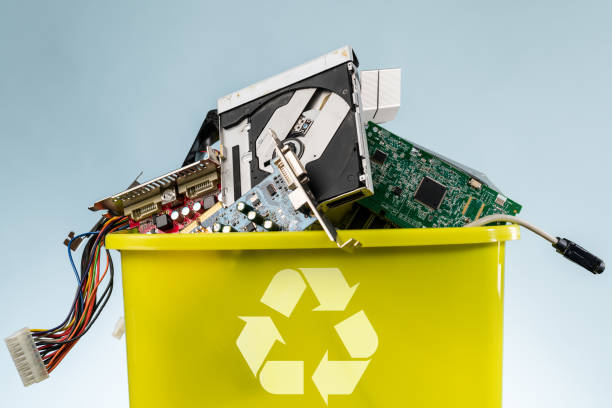
A discarded office laptop may seem harmless, but when businesses accumulate hundreds of outdated devices, the risks become serious. Old electronics can contain sensitive company data, hazardous materials, and valuable resources that require proper handling. As technology upgrades happen faster than ever, businesses are now expected to manage electronic waste responsibly to meet environmental and legal standards.
Today, corporate e-waste solutions are becoming an essential part of compliance-focused business operations. Companies are no longer judged only by profits and productivity. Clients, regulators, and investors also pay attention to how organizations handle waste, sustainability, and data security.
Understanding Corporate E-Waste
Corporate e-waste includes electronic devices and equipment discarded by businesses during upgrades, replacements, or operational changes. Common examples include:
- Computers and laptops
- Servers and storage devices
- Mobile phones and tablets
- Printers and scanners
- Networking equipment
- Batteries and cables
Unlike general waste, electronic waste contains hazardous materials such as lead, mercury, and lithium. If disposed of improperly, these substances can damage soil, water, and air quality. Many devices also store confidential business and customer information, making secure disposal extremely important.
Why Compliance Matters in E-Waste Recycling
Governments and environmental authorities across the world are strengthening regulations around electronic waste disposal. Businesses are now expected to follow responsible recycling processes instead of sending outdated electronics to landfills.
Non-compliance can create several problems, including:
- Regulatory penalties
- Environmental violations
- Data security risks
- Legal liabilities
- Reputational damage
Companies operating in industries such as healthcare, banking, education, retail, and IT often face stricter compliance expectations because they handle large amounts of sensitive information and electronic equipment.
The Connection Between E-Waste and Data Security
One of the biggest compliance concerns linked to electronic waste is data protection. Many discarded devices still contain recoverable information even after files are deleted.
Improper disposal can expose businesses to risks such as:
1. Data Breaches
Hard drives and storage systems may still contain customer records, passwords, financial information, or confidential documents.
2. Privacy Violations
Many countries now require businesses to securely destroy digital data before disposing of hardware.
3. Loss of Customer Trust
A single incident involving leaked information from discarded devices can damage a company’s reputation for years.
Professional recycling processes help ensure devices are securely wiped, destroyed, or processed before recycling begins.
Environmental Responsibility and Legal Compliance
Electronic waste is one of the fastest-growing waste streams globally. When dumped irresponsibly, toxic materials from devices can pollute ecosystems and create long-term environmental harm.
Proper recycling helps businesses:
- Reduce landfill waste
- Prevent toxic contamination
- Recover reusable materials
- Support sustainable operations
Many organizations now include waste management practices in their ESG (Environmental, Social, and Governance) strategies because sustainability reporting has become increasingly important.
How Recycling Supports ESG Goals
Modern businesses are expected to show measurable environmental responsibility. Investors, clients, and business partners often evaluate sustainability efforts before making decisions.
E-waste recycling supports ESG goals by:
- Promoting responsible waste disposal
- Reducing environmental impact
- Supporting resource recovery
- Encouraging circular economy practices
Businesses that actively recycle electronic waste are often viewed as more responsible and future-focused.
Importance of Asset Tracking and Documentation
Compliance is not only about recycling electronics. Businesses must also maintain proper records showing how devices were handled and disposed of.
A structured recycling process helps through:
1. Inventory Tracking
Companies can monitor outdated devices before disposal.
2. Disposal Records
Documentation helps prove compliance during audits and inspections.
3. Recycling Certificates
Certified recycling reports provide transparency and accountability.
This level of documentation becomes especially important for large organizations managing multiple offices or IT systems.
Reducing Financial and Legal Risks
Improper electronic disposal can become expensive. Businesses may face penalties, lawsuits, or operational setbacks if they fail to meet disposal and data protection requirements.
Responsible recycling helps organizations:
- Avoid compliance fines
- Reduce legal exposure
- Improve audit readiness
- Strengthen operational accountability
For businesses handling customer information, proper disposal procedures are also part of maintaining long-term trust.
The Role of Circular Economy in E-Waste Recycling
Modern sustainability strategies focus heavily on the circular economy model. Instead of treating electronics as waste, businesses are encouraged to recover and reuse valuable materials.
Many devices contain materials such as:
- Copper
- Aluminium
- Gold
- Silver
- Rare earth metals
Recycling reduces pressure on natural resources while helping manufacturers recover usable components for future production.
Amid growing sustainability expectations, businesses are increasingly adopting corporate e-waste solutions that support secure recycling, responsible disposal, and improved compliance management.
Why Employee Awareness Matters
Compliance cannot be achieved through recycling vendors alone. Employees also play a major role in proper electronic waste handling.
Many organizations face issues like:
- Storing outdated devices unnecessarily
- Improper disposal of accessories or batteries
- Lack of awareness about recycling policies
Businesses can improve compliance by introducing:
- Internal disposal guidelines
- Employee awareness programs
- Scheduled e-waste collection drives
- Department-level accountability
Creating a culture of responsible disposal strengthens overall compliance efforts.
E-Waste Recycling and Corporate Reputation
Customers and investors increasingly support businesses that demonstrate environmental responsibility. Companies associated with poor waste practices may struggle with public trust and brand image.
On the other hand, responsible recycling can help businesses:
- Build stronger credibility
- Improve stakeholder confidence
- Strengthen sustainability positioning
- Enhance brand reputation
Sustainability has become an important factor in modern corporate identity.
Future Importance of E-Waste Compliance
As businesses adopt more digital technologies, e-waste generation will continue to rise. At the same time, stricter environmental and data protection regulations are also increasing.
Companies with proper recycling systems will be better prepared for:
- Future compliance requirements
- ESG reporting expectations
- Sustainability goals
- Data security standards
E-waste recycling is now an important part of responsible business operations and corporate accountability.
Conclusion
Corporate e-waste recycling is essential for compliance because it supports data security, environmental responsibility, and sustainability goals. Improper disposal can lead to legal issues, penalties, and reputational risks. This is why many businesses now rely on corporate ewaste solutions in Dubai for secure and compliance-focused electronic waste management.
If you are looking for reliable and environmentally responsible e-waste recycling support, Planet Green Recycling offers sustainable solutions for modern business needs. The company focuses on secure disposal, responsible recycling practices, and efficient resource recovery to help organizations support environmental accountability and long-term sustainability goals.