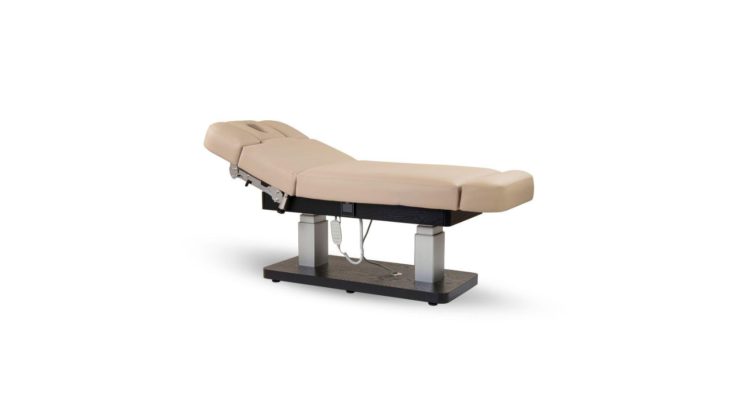
A guest walks into a luxury spa expecting relaxation, but their impression starts long before the treatment itself. The moment they lie down on the table, they begin judging the experience. A table that feels unstable, uncomfortable, or poorly designed can affect the entire session. On the other hand, a well-crafted table instantly creates a sense of comfort and trust.
This is why spa massage tables have become much more than standard spa furniture. They play a direct role in guest satisfaction, therapist efficiency, treatment quality, and the overall perception of a wellness facility. As wellness tourism and premium spa services continue to expand globally, investing in a high-quality massage table has become an important business decision rather than a routine equipment purchase.
The Foundation of Every Treatment Experience
Every spa treatment relies on creating an environment where guests can completely relax. The massage table serves as the physical foundation of that experience.
Whether the service involves deep tissue massage, aromatherapy, Ayurvedic therapies, body wraps, or wellness rituals, the treatment table remains at the centre of the interaction between therapist and guest.
A well-designed table helps:
- Promote deeper relaxation
- Support proper body alignment
- Improve treatment effectiveness
- Enhance guest satisfaction
- Reduce therapist fatigue
When comfort and functionality work together, the overall treatment experience becomes significantly more memorable.
Structural Stability Is Non-Negotiable
The first characteristic of a high-quality massage table is stability. Guests should feel secure the moment they lie down, regardless of body type or treatment duration.
1. Strong Frame Construction
Premium massage tables typically utilize reinforced hardwood, engineered wood, or high-strength metal structures. These materials provide long-term durability and consistent performance even under continuous commercial use.
2. Weight Capacity and Load Distribution
A quality table should distribute weight evenly across the frame. Proper engineering minimizes stress on individual components and reduces wear over time.
3. Long-Term Reliability
Spa equipment often operates for several hours each day. Investing in superior construction helps reduce maintenance costs and replacement frequency over the years.
For professional wellness facilities, durability is as important as aesthetics.
Ergonomic Design Supports Better Therapy
A massage table must work for both the client and the therapist.
Modern wellness facilities increasingly prioritize ergonomic design because therapist comfort directly affects treatment quality.
1. Adjustable Working Heights
Height-adjustable systems allow therapists to work efficiently while maintaining proper posture.
2. Improved Body Positioning
Features such as adjustable headrests, arm supports, and contoured surfaces improve comfort during longer treatments.
3. Reduced Physical Strain
When therapists can access clients comfortably from all angles, treatments become more effective while reducing the risk of repetitive strain injuries.
These ergonomic advantages contribute to better long-term performance for wellness professionals.
Cushioning Quality Makes a Noticeable Difference
Many people assume thicker cushioning automatically means greater comfort. In reality, comfort depends on the balance between softness and support.
High-quality massage tables often include:
- Multi-layer foam systems
- High-density support cores
- Pressure-relief cushioning
- Enhanced body contouring
The goal is to support natural body alignment while preventing discomfort during extended sessions.
Guests may not understand the technical details behind cushioning systems, but they immediately recognize the difference when lying on a premium treatment table.
Material Selection Impacts Performance
The materials used in a massage table influence both guest experience and operational efficiency.
1. Upholstery Quality
Commercial-grade upholstery should be durable, easy to sanitize, and resistant to oils, moisture, and daily wear.
2. Hygiene Standards
Cleanability has become increasingly important in modern wellness environments. Surfaces must support rigorous cleaning protocols without deteriorating.
3. Environmental Conditions
Spa environments often involve humidity, oils, and temperature variations. High-quality materials help maintain appearance and functionality despite these conditions.
As wellness facilities focus more on longevity and sustainability, material quality becomes a major purchasing consideration.
Design Is Now Part of the Guest Experience
Modern spa design extends beyond architecture and interior décor. Every piece of furniture contributes to the overall atmosphere.
Today’s luxury spas often view treatment tables as part of the visual identity of the facility.
1. Creating a Premium Environment
Elegant finishes, refined craftsmanship, and thoughtful detailing help reinforce a sense of luxury.
2. Supporting Brand Positioning
A five-star resort spa, boutique wellness center, and Ayurvedic retreat may each require different design aesthetics.
3. Enhancing First Impressions
Guests often associate equipment quality with service quality. Beautifully designed furniture helps build trust before treatments even begin.
In many modern wellness facilities, carefully selected spa massage tables contribute significantly to the overall perception of quality and professionalism.
Customization Has Become Increasingly Valuable
No two spas operate exactly alike. Treatment menus, room layouts, therapist requirements, and brand concepts vary considerably.
As a result, customization is becoming increasingly important.
Popular customization options include:
- Custom dimensions
- Specialized treatment configurations
- Motorized adjustment systems
- Integrated storage solutions
- Tailored upholstery finishes
- Brand-specific design elements
Customized furniture helps wellness businesses create more efficient and distinctive treatment environments.
What Buyers Should Evaluate Before Investing
When selecting a massage table, decision-makers should evaluate multiple factors beyond appearance alone.
1. Build Quality
Examine frame strength, manufacturing standards, and overall construction integrity.
2. Comfort Performance
Assess cushioning density, support characteristics, and ergonomic features.
3. Operational Efficiency
Consider therapist usability, maintenance requirements, and long-term durability.
4. Design Compatibility
Ensure the furniture complements the facility’s wellness concept and interior design.
5. Manufacturer Expertise
Choose suppliers with proven experience in professional spa and wellness furniture manufacturing.
Taking a long-term perspective often results in better value than focusing solely on initial purchase costs.
Conclusion
A high-quality massage table offers value far beyond comfort. It supports better treatment delivery, improves therapist efficiency, enhances guest satisfaction, and contributes to a spa’s overall reputation. As wellness experiences become more sophisticated, furniture quality continues to play a crucial role in shaping the client experience.
For wellness businesses seeking premium solutions, SPA Furniture is known for its focus on craftsmanship, innovation, and precision manufacturing. The company offers luxury spa tables, treatment beds, Ayurveda furniture, and customized wellness solutions designed to meet international standards. Recognized among trusted massage bed manufacturers, SPA Furniture combines functionality, durability, and aesthetics to support the evolving needs of modern wellness spaces.