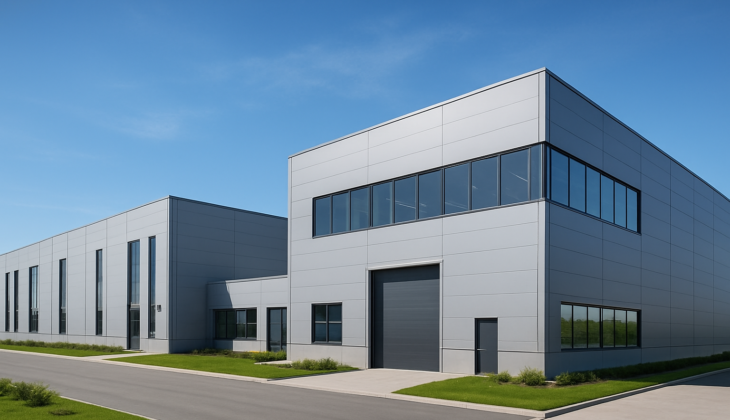
The demand for high-quality industrial infrastructure continues to grow as global supply chains expand and essential industries require more advanced, efficient, and durable facilities. In this environment, the ability to design and deliver purpose-built assets has become a defining factor of success. The approach of David Ebrahimzadeh reflects a strong commitment to building industrial facilities that prioritize quality, functionality, and long-term operational value.
What defines a high-quality industrial facility in today’s economy?
A high-quality industrial facility is one that is designed to support essential operations with maximum efficiency, flexibility, and durability. These facilities are typically built for industries that require continuous performance, such as logistics, manufacturing, aerospace, defense, cold storage, and data infrastructure. Key elements include optimized layouts, advanced structural design, and adaptability for future operational needs.
How does Corniche Capital ensure quality in industrial development?
Corniche Capital follows a disciplined development strategy focused on creating industrial assets that serve mission-critical tenants. The firm emphasizes precision in site selection, construction planning, and long-term usability to ensure that each facility meets the highest operational standards.
Corniche Capital has developed a portfolio spanning millions of square feet of industrial space across the United States. The focus remains on build-to-suit facilities that are tailored to tenant requirements, ensuring that infrastructure aligns perfectly with industry-specific operational demands. This approach strengthens both asset quality and long-term investment stability.
How does leadership influence industrial facility development standards?
Leadership plays a central role in maintaining quality across industrial real estate projects. Strategic decision-making ensures that every development is guided by long-term performance expectations rather than short-term cost considerations. This includes evaluating structural design, operational efficiency, and future scalability before project execution begins.
A strong leadership framework also ensures consistency across multiple developments, allowing each project to meet a unified standard of excellence while still addressing the unique needs of different industries.
How does innovation exposure contribute to facility quality?
Exposure to innovation in sectors such as defense technology, advanced manufacturing, and venture capital provides valuable insight into how industrial requirements are evolving. This knowledge helps in designing facilities that are future-ready and capable of supporting next-generation industrial operations.
In this context, David Ebrahimzadeh NY represents a leadership approach that connects industrial real estate development with insights from frontier technology and high-growth industries. This integration supports the creation of infrastructure that remains relevant even as operational demands evolve over time.
Why are build-to-suit facilities important for essential industries?
Build-to-suit facilities are essential because they are designed specifically for tenant operations, ensuring maximum efficiency and functionality. These properties reduce operational constraints and allow businesses to operate with optimized workflows tailored to their exact requirements.
This level of customization improves tenant satisfaction and increases long-term lease stability. It also enhances asset durability, as facilities are built with specific use cases and long-term operational needs in mind.
How does quality-focused development impact long-term investment value?
Quality-focused development directly influences long-term asset performance. High-quality industrial facilities tend to attract stable tenants, maintain higher occupancy rates, and require less frequent structural modification. This results in more predictable income streams and stronger investment outcomes.
Over time, such assets also demonstrate higher resilience during market fluctuations, as essential industries continue to rely on dependable infrastructure regardless of economic conditions.
What role does tenant alignment play in maintaining facility standards?
Tenant alignment ensures that industrial facilities are developed based on real operational needs rather than speculative assumptions. This alignment helps maintain high standards of design and functionality, as each facility is customized for specific industrial processes.
Strong tenant alignment also leads to longer lease durations and reduced turnover, further reinforcing the quality and stability of the asset over time.
Conclusion
Building high-quality industrial facilities requires a combination of disciplined execution, strategic foresight, and deep understanding of essential industry needs. Through a consistent focus on precision development and long-term value creation, David Ebrahimzadeh demonstrates how industrial real estate can be transformed into a foundation of durable infrastructure that supports critical industries and sustainable economic growth.